
 Facebook
 X
X
 Pinterest
 Copy Link
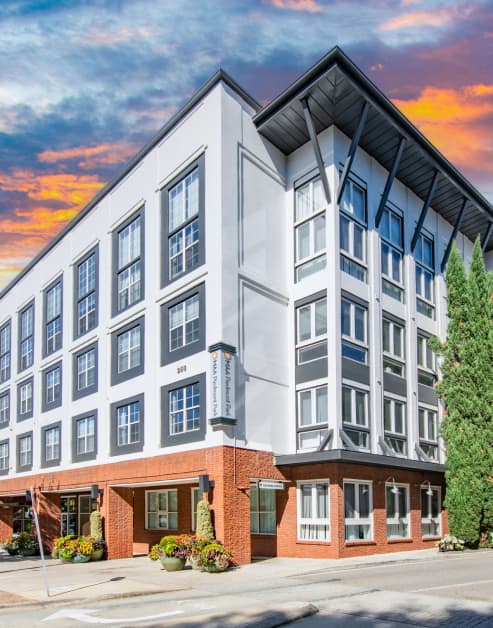
Atlanta Housing Affordability & Rental Dynamics in 2026
The conversation around Atlanta housing affordability and rental dynamics has become central to buyers, renters, and investors alike. As we move through 2026, Metro Atlanta continues to balance population growth, steady demand, and evolving economic conditions.
For many households, the key question is simple:
Is it more affordable to rent or buy in Atlanta right now?
Let’s break it down.
1. The Affordability Squeeze
Metro Atlanta remains more affordable than markets like New York City or Los Angeles, but affordability has tightened compared to pre-2020 levels.
What’s driving this?
-
Higher home prices over the past 4–5 years
-
Elevated mortgage interest rates compared to historic lows
-
Property taxes and insurance adjustments
-
Wage growth not always keeping pace with housing costs
However, compared to many coastal markets, Atlanta still offers:
-
Larger homes for lower median prices
-
Strong suburban inventory
-
Continued job growth
For relocation buyers coming from high-cost states like NY, NJ, or CA, Atlanta can still feel affordable.
2. Rental Market Dynamics in Atlanta
Rental demand remains strong across Metro Atlanta due to:
-
Corporate relocations
-
First-time buyers waiting for rate stabilization
-
Population growth
-
New residents testing neighborhoods before buying
Current Rental Trends
-
Stabilizing rent growth (after aggressive increases 2021–2023)
-
Increased apartment supply in some urban corridors
-
Strong single-family rental demand in suburbs
Areas like Stonecrest, McDonough, and Conyers are seeing continued rental interest due to affordability compared to central Atlanta.
3. Rent vs Buy: The Financial Comparison
When analyzing Atlanta housing affordability and rental dynamics, here’s what matters:
Renting
✔ Lower upfront costs
✔ Flexibility
✔ No maintenance responsibility
✘ No equity growth
✘ Subject to annual rent increases
Buying
✔ Build equity
✔ Fixed housing payment (with fixed-rate mortgage)
✔ Hedge against rising rents
✔ Tax advantages
✘ Higher upfront costs
✘ Maintenance responsibility
For buyers planning to stay 3–5+ years, ownership often becomes financially advantageous due to equity growth and appreciation.
4. New Construction’s Role in Affordability
Builders across Metro Atlanta are adjusting with:
-
Rate buy-down incentives
-
Closing cost contributions
-
Smaller, more efficient floorplans
This helps offset affordability challenges and keeps homeownership within reach for qualified buyers.
As a New Construction Relocation Agent here in Georgia, I’m seeing builders get creative with incentives to maintain momentum.
5. What This Means for Investors
Investors are watching:
-
Rental yield compression in high-demand areas
-
Appreciation potential in emerging suburbs
-
Population inflow to Georgia
Metro Atlanta continues to benefit from strong job growth and infrastructure expansion, which supports long-term rental demand.
6. Outlook for the Rest of 2026
Expect:
-
Moderate price growth (not the rapid spikes of prior years)
-
Stable but competitive rental market
-
Gradual improvement in affordability if rates ease
Atlanta remains one of the stronger Sunbelt markets for balanced growth.
FAQ Section (SEO Optimized)
Is Atlanta still affordable in 2026?
Yes, compared to many major U.S. cities, Atlanta remains relatively affordable, especially in suburban areas. However, affordability is tighter than pre-2020 levels.
Is it cheaper to rent or buy in Atlanta?
Short-term, renting may be cheaper due to upfront costs. Long-term (3–5+ years), buying often becomes more advantageous because of equity growth.
Are rents going down in Atlanta?
Rent growth has stabilized. Some areas with new apartment supply are seeing slower increases, but overall demand remains strong.
Is Atlanta a good market for rental property investment?
Yes, due to population growth, corporate relocations, and steady demand. Suburban markets often present stronger rental yield opportunities.
Will home prices drop in Atlanta?
Major price drops are unlikely unless there is a significant economic shift. Current projections suggest modest, steady growth.
http://www.https://dca.georgia.gov/affordable-housing/
https://www.atlantahousing.org/programs/down-payment-assistance/
https://www.census.gov/topics/housing.html
https://atlnewconstruction.info/
