
 Facebook
 X
X
 Pinterest
 Copy Link

In 2026, many Atlanta residents are asking the same question: renting vs buying in Atlanta—what actually builds wealth faster?
With rising rents, stabilizing home prices, and new financing options, this decision matters more than ever.
If your long-term goal includes financial security, equity growth, and generational wealth, the answer may surprise you.
Let’s break it down clearly.
What Does Renting in Atlanta Look Like in 2026?
Renting offers flexibility.
However, it rarely builds wealth.
Across Metro Atlanta, average rents continue to rise, especially in areas like Stockbridge, Stonecrest, McDonough, and Covington. Annual rent increases often range from 5–8%, depending on location and demand.
When you rent:
-
Monthly payments go to a landlord
-
No equity is created
-
You remain exposed to rent hikes
-
There are no tax benefits
Renting may feel easier short term.
But financially, it offers no return on investment.
What Happens When You Buy a Home in Atlanta?
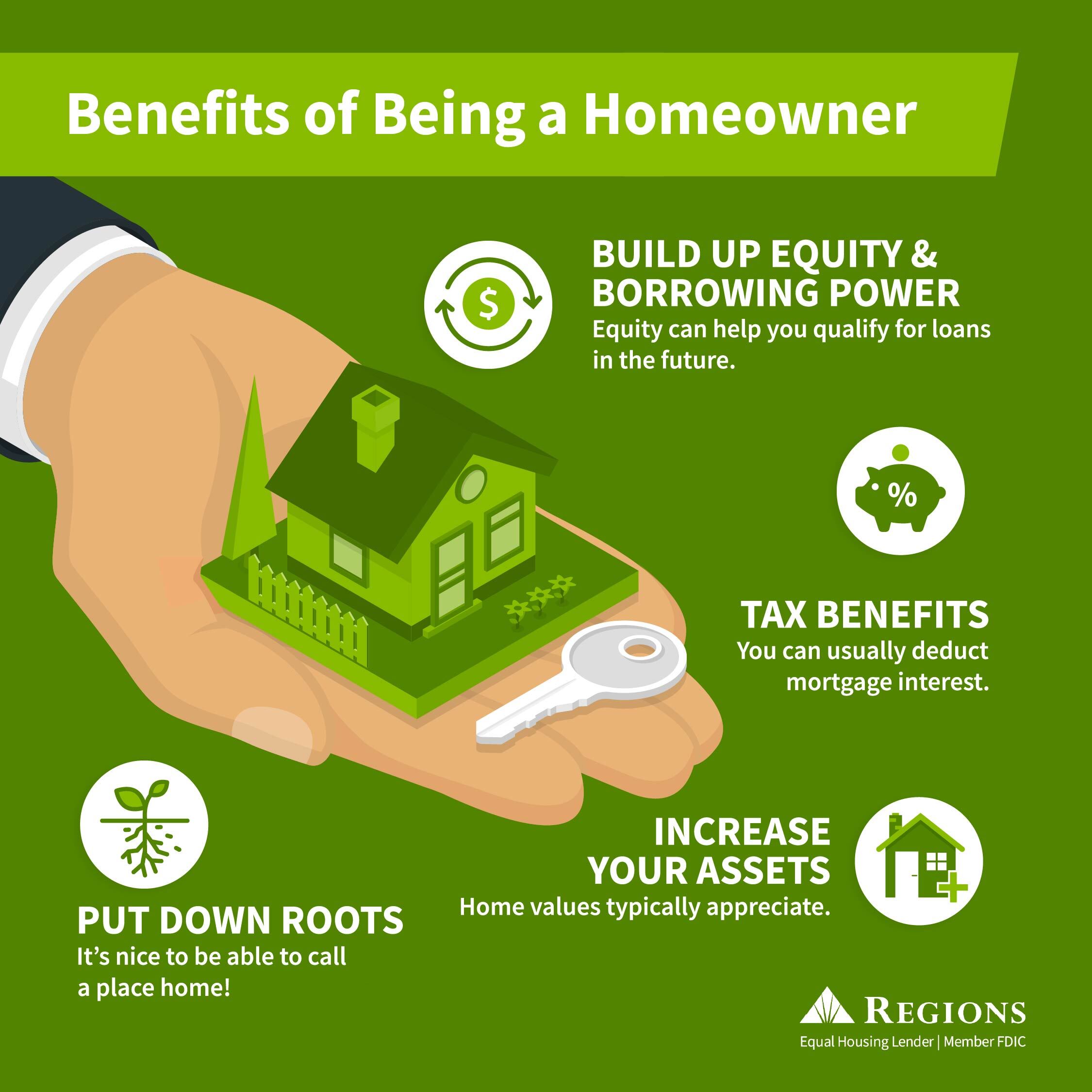
Buying shifts your monthly housing cost into a wealth-building tool.
Homeownership benefits in Atlanta include:
-
Equity growth over time
-
Stable monthly payments with fixed-rate loans
-
Appreciation in strong Metro Atlanta markets
-
Potential tax advantages
Even modest appreciation adds up quickly.
According to national housing data, homeowners build wealth up to 40x faster than renters over time.
This is especially true in Georgia, where affordability still outperforms many major U.S. metros.
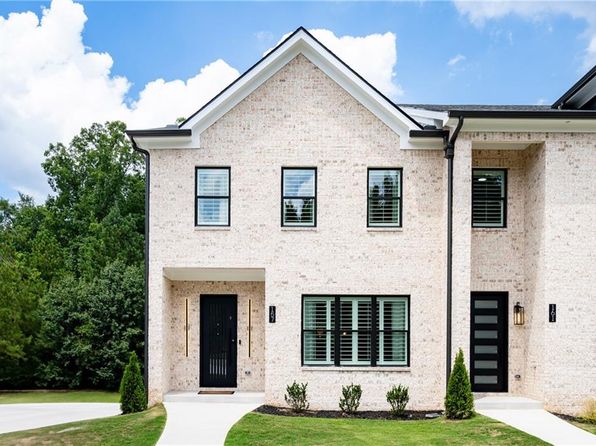
Metro Atlanta suburban homes highlighting homeownership benefits compared to renting in Georgia.
Is It Better to Rent or Buy in Georgia in 2026?
This depends on time horizon.
If you plan to stay in the home five years or longer, buying often wins financially.
Why five years matters:
-
Upfront buying costs are spread out
-
Equity accumulates steadily
-
Appreciation begins compounding
-
Rent increases are avoided
In most Metro Atlanta markets, buying begins to outperform renting in 5 years.
That is the tipping point.
How Equity Builds Wealth Faster Than Renting
Equity is the difference between what your home is worth and what you owe.
Each mortgage payment:
-
Reduces your loan balance
-
Increases ownership stake
-
Strengthens your net worth
Rent payments do none of this.
Over time, equity can be used for:
-
Future home purchases
-
Investments
-
Education costs
-
Business opportunities
This is how homeowners leverage real estate to build wealth in Atlanta.
What About Interest Rates and Affordability?
Many buyers worry about rates.
However, waiting to “time the market” often costs more than it saves. Rising rents, appreciation, and lost equity usually outweigh small rate changes.
Additionally, many buyers qualify for:
-
Down payment assistance
-
Builder incentives
-
Temporary rate buydowns
-
First-time buyer programs
These options reduce upfront costs and improve affordability in 2026.
Renting vs Buying Atlanta: Quick Comparison
Renting
-
No equity
-
Annual rent increases
-
No tax benefits
-
Limited long-term upside
Buying
-
Builds equity
-
Locks in housing costs
-
Potential appreciation
-
Long-term wealth creation
The financial difference grows larger every year.
Frequently Asked Questions
How long should I stay in a home for buying to make sense?
In Atlanta, buying typically makes financial sense if you plan to stay at least five years. This allows appreciation and equity to offset purchase costs while protecting you from rising rents.
Can first-time buyers afford to buy in Metro Atlanta in 2026?
Yes. Many buyers use down payment assistance, builder incentives, and flexible loan programs to purchase with less upfront cash than expected.
Is renting ever better than buying?
Renting may work for short-term plans or frequent relocations. However, for long-term residents, buying usually builds wealth faster.
Final Verdict: Which Builds Wealth Faster?
Renting provides flexibility.
Buying builds financial power.
In most Metro Atlanta markets, buying begins to outperform renting in 5 years.
That is why homeownership remains one of the most reliable wealth-building tools available in Georgia.
If you want your housing payment to work for you, not against you, buying deserves serious consideration.
